Concord Animal Hospital
  • Contact Us
  • Services
    • Preventative Care
    • Surgical Care
    • Laparoscopic Surgery
    • Dental Health
    • End of Life Care
    • Emergency Services & Resources
    • Grooming
    • Acupuncture & Laser Therapy
    • Laser Therapy
    • Moving or Traveling with Your Pet
  • About Us
  • Blog
  • Pharmacy
    • In-House Pharmacy
    • Online Pharmacy
  • Resources
    • How-To Videos
    • Fleas, ticks and heartworm
    • Microchipping
    • Make your pet love the vet!

Common VACCINE Reactions

4/13/2021

 
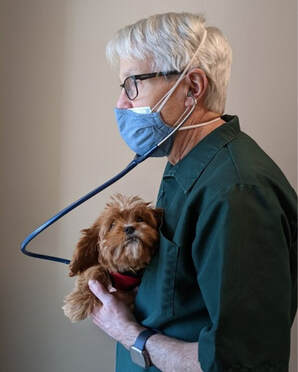
PictureDr. Hardie giving a listen to Gigi's little heart
​Vaccines are an important piece of your pet’s preventative health care. A vaccine exposes your dog or cat’s immune system to an inactive or incomplete disease-causing agents to train the immune system to quickly and effectively respond when exposed to the real disease. It’s a safe way to protect your pet from some scary, often life-threatening diseases such as distemper and rabies.
The benefits of vaccines typically far outweigh the risks of a vaccine reaction. There are isolated cases of pets having allergic reactions to vaccines, but these reactions are rarely life threatening when treated appropriately.
At CAH, we want pet owners to know what a vaccine reaction looks like and when a reaction requires medical attention. “Seeing your pet have a vaccine reaction can be frightening,” says CAH veterinarian Dr. Bradford Hardie. “It’s important to understand what reactions are mild and short-lived and which are medical emergencies.”
​Here are the six things all pet owners should know about vaccines reactions:

Picture
  • 1. How soon would a vaccine reaction happen? If your pet is going to react to their vaccine, the reaction typically begins anywhere from a few minutes to a few hours after vaccination. That said, a reaction can occur up to 48 hours after vaccination. Reactions typically last for 12 to 24 hours.
  • 2. What are common vaccine reactions? If you observe any of the following and the symptoms don’t resolve in a day, call us since additional treatments may be recommended:
    • Discomfort or soreness at the vaccination site.
    • Mild inflammation or swelling at the vaccination site.
    • Mild fever or lethargy: your pet not acting like their usual self and perhaps being a little more lazy than normal.
    • Decreased appetite.
    • One or two episodes of vomiting or diarrhea.
    • Some sneezing if your pet received an intranasal vaccine.
3. When should I call the vet about my pet’s vaccine reactions? Always call if you’re unsure! “You don’t need to decide on your own whether a vaccine reaction is serious. We’re more than happy to talk to you about the reactions that you’re observing,” says Dr. Hardie. “It is rare but some vaccine reactions are true medical emergencies.”  Call and return to our office or an emergency hospital immediately if you observe one of the following more severe reactions:
  • Facial swelling, particularly swelling around the eyes and snout.
  • Hives or bumps on the body.
  • Severe itchiness.
  • Nausea and drooling.
  • Extended vomiting and/or diarrhea.
  • Difficulty breathing or labored breathing.
  • Collapse.

Questions about vaccines? Reach out and let us know your concerns!
Picture
​
  • 4. How does CAH treat vaccine reactions? Treatment of severe vaccine reactions typically includes administration of antihistamines and/or corticosteroids. We may recommend hospitalization and additional therapy. Most pets admitted to CAH for vaccine reactions are released back to their owners to go home within an hour.
  • 5. Can a pet that has a severe vaccine reaction receive vaccines in the future? Typically, a pet’s reaction will be to a single vaccine, not all vaccines. If it is possible to determine which vaccine cause the reaction, you and your veterinarian can discuss whether the benefits of that vaccine outweigh the vaccination risks for your pet or if there are alternative means of protecting them from the disease. “At future appointments, always tell your veterinarian that your pet has had vaccine reactions, no matter how mild them may have seemed,” cautions Dr. Hardie. “We can administer diphenhydramine hydrochloride, also known as Benadryl, before administering vaccines or consider spacing out vaccines over multiple appointments to reduce the risk of reactions.”
  • Is it worth vaccinating my pet, knowing these risks? Yes! “The diseases that vaccinations help prevent are truly terrible, sometimes contagious, and often life-threatening. Vaccines save pets’ lives,” notes Dr. Hardie. “While vaccines may cause a small number of vaccine reactions, the benefit to your pet’s life and health is well-worth the risk.”
As always, we are here to discuss any questions or concerns you have about your pet’s health!


Comments are closed.

    Categories

    All
    CAH News
    Grooming At CAH
    Oral Health
    Pet Health
    Seasonal Safety
    Your Cat's Health
    Your Dog's Health
    Your Pocket Pet's Health

OFFICE HOURS:
Monday-Friday: 8:00 am to 6:00 pm
Saturday: 
8:00 am to 12:00 pm
CONTACT INFORMATION:
Concord Animal Hospital
245 Baker Avenue
Concord, MA 01742
Phone: (978) 369-3503
Fax: (978) 371-9748
[email protected]
JOIN OUR PACK!
Sign up for our monthly newsletter, the Paw Press for hospital news, pet care tips and cute pet photos!
JOIN TODAY!
Copyright © 2022
Photos from marcoverch, Katell Ar Gow, Bennilover, dangaken, michaeljoakes, Nenad Stojkovic (CC BY 2.0), mripp, Clara S., odonata98 (Kimberly Reinhart), Wha'ppen, marc falardeau
  • Contact Us
  • Services
    • Preventative Care
    • Surgical Care
    • Laparoscopic Surgery
    • Dental Health
    • End of Life Care
    • Emergency Services & Resources
    • Grooming
    • Acupuncture & Laser Therapy
    • Laser Therapy
    • Moving or Traveling with Your Pet
  • About Us
  • Blog
  • Pharmacy
    • In-House Pharmacy
    • Online Pharmacy
  • Resources
    • How-To Videos
    • Fleas, ticks and heartworm
    • Microchipping
    • Make your pet love the vet!